Group Hospitalisation Insurance
Why Group Hospitalisation + Flexi Benefits matter today
A modern, scalable, employee-centric benefits ecosystem.
As healthcare costs continue to rise and workforce expectations evolve, employers are under increasing pressure to offer benefits that are both financially sustainable and meaningful to employees. Group Hospitalisation Insurance remains the cornerstone of employee healthcare protection — covering essential inpatient and surgical expenses — but a one-size-fits-all approach is no longer sufficient.
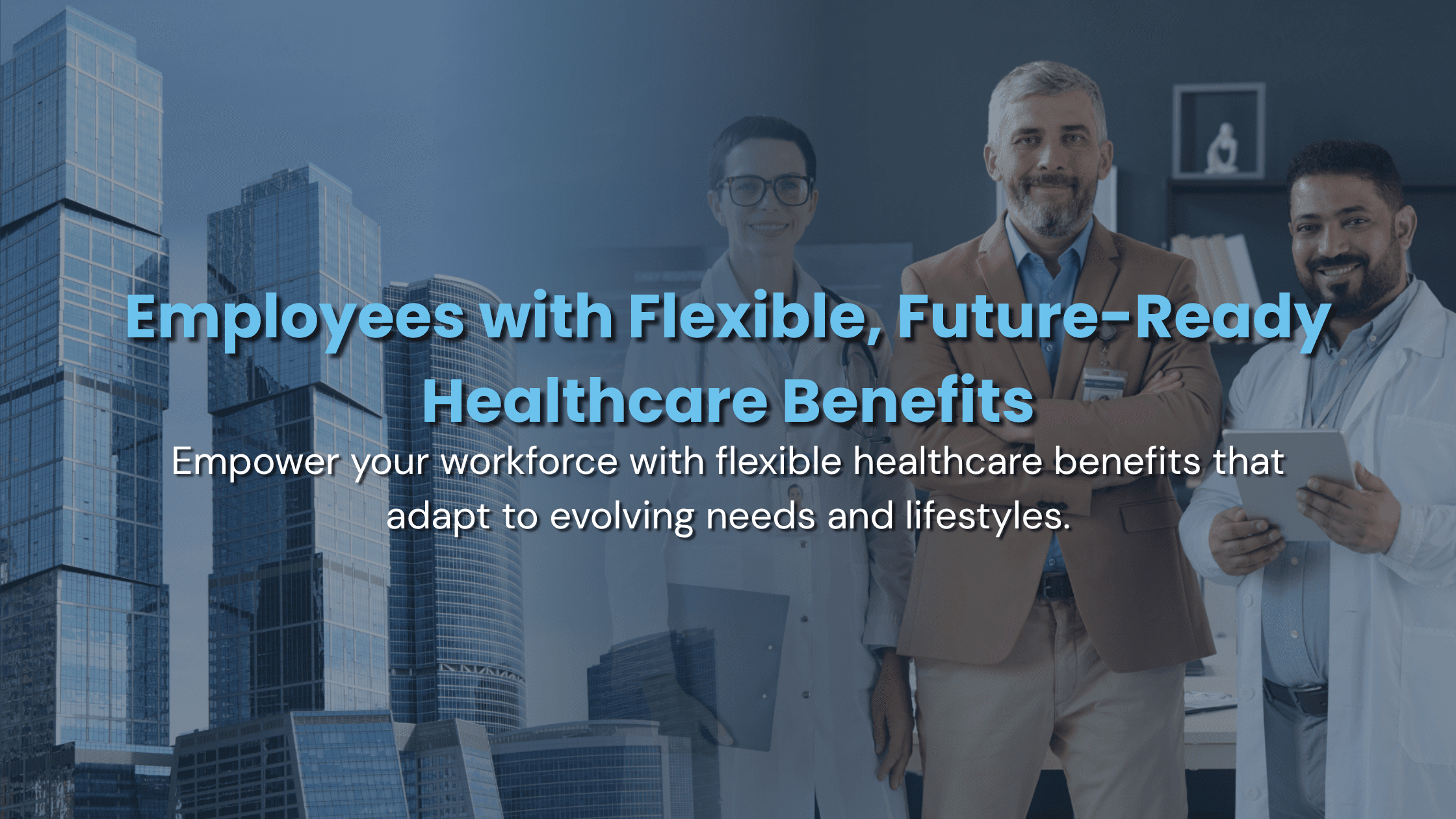
This is where Flexi Benefits come in. By combining Group Hospitalisation Insurance with a flexible benefits structure, employers can provide comprehensive medical protection while allowing employees to personalise coverage according to their life stage, health needs, and personal priorities. Together they create a modern, scalable, employee-centric benefits ecosystem.
Why combine Group Hospitalisation with Flexi Benefits?
- Strong core protection with personalised flexibility — Group Hospitalisation Insurance ensures every employee has essential inpatient medical protection. Flexi Benefits enhance that foundation by letting employees allocate additional coverage where it matters most — without increasing the employer's overall benefits budget.
- Better cost control for employers — Flexi Benefits support cost-management mechanisms like defined benefits budgets, Administrative Services Only (ASO) structures, stop-loss protection, and annual limits / benefit caps — helping employers manage healthcare inflation while staying competitive.
- Improved employee engagement and satisfaction — Employees value choice. Younger employees may prioritise outpatient and wellness benefits; those with families may allocate more towards medical top-ups or dependants' coverage. Flexibility increases perceived value without proportionally increasing cost.
- Supports a diverse, multi-generational workforce — A flexible structure keeps benefits relevant across different demographics, job roles, and life stages — from fresh graduates to senior management.
- Scalable for growing businesses — As businesses grow, Flexi Benefits can be adjusted, expanded, or customised without redesigning the entire insurance programme — ideal for SMEs and fast-growing companies.
Industry trends and market developments
Rising healthcare costs and medical inflation
Medical inflation continues to impact both employers and employees, leading to higher premiums and tighter underwriting. Employers are increasingly adopting flexible and modular benefits structures to balance affordability with coverage adequacy.
Shift towards preventive and value-based care
Employers are moving beyond pure hospitalisation coverage to include wellness, chronic disease management, and preventive care — areas commonly delivered through Flexi Benefits. This reduces long-term claims and improves workforce health outcomes.
Digitalisation of employee benefits
Modern insurance platforms now enable employers to:
- Digitally onboard employees
- Allow real-time benefit selection
- Track utilisation and claims
- Adjust benefits annually with ease
Flexi Benefits integrate seamlessly into digital platforms, offering transparency and convenience for both employers and employees.
A smarter way to protect your workforce
Group Hospitalisation Insurance remains the essential foundation of employee healthcare protection. Combined with Flexi Benefits, it evolves into a modern, cost-efficient, employee-centric solution that meets today's workforce expectations. By adopting a combined approach, employers can:
- Provide meaningful and flexible healthcare protection
- Control rising medical costs sustainably
- Enhance employee attraction, retention, and satisfaction
- Future-proof their benefits strategy
In an era of rising healthcare costs and changing employee needs, flexibility is no longer optional — it is a strategic advantage.